Why Do Live Dealer Games Feel More Like a Real Casino Session?
Open a live casino lobby and the first thing you notice is not a list of odds. It is a grid of tables: dealers on camera, cards in motion, roulette wheels turning and, in some formats, bright studio sets built around a host. That visual scene changes the mood before you place a bet. Instead of tapping a button and watching a result appear, you are following a game unfold in real time.
That difference helps explain why live dealer games can feel more like a casino session than a standard online slot or digital table game. The feeling comes from a mix of human presence, visible decisions, shared timing and production design. It is not the same as sitting in a land-based casino, though. You do not hear the room around you or handle the cards and chips yourself. What you get is a carefully produced, interactive stream that borrows some of the rhythms of a physical table.
For a mobile player fitting in a short session between other tasks, that distinction matters. A live table may feel more social and involving, but it also asks you to mrq live casino pay attention to a stream, make decisions within a round and cope with the occasional connection hiccup. Here is what creates the more “real” feeling—and where the comparison has its limits.
The lobby sets the scene before the first round
In a live casino, the lobby is part of the experience. You scan table tiles, see a dealer or host, and get an impression of each game’s pace and personality. One table may look quiet and traditional; another may have a presenter, a colourful set and the energy of a game show. That is a very different first impression from a catalogue of animated game covers.
On mrq.com, the mrq live casino is a useful example of how the lobby acts as a doorway into a live format. A live lobby available on mobile lets players browse tables on a phone, where screen space is limited and sessions are often brief. The practical details matter: can you tell what kind of game a tile leads to, how quickly can you find a table, and does the interface remain readable when the video and controls share a small screen?
Those first few moments help set expectations. A table with a visible dealer suggests a human-led round; a wheel or card animation suggests what action is coming. This makes the lobby less like a static menu and more like a preview of the room you are about to enter. It still cannot tell you everything—such as whether a table will suit your preferred pace—but it gives you more context than a game thumbnail alone.
Live casino and RNG-based games show results differently
Both live dealer games and RNG-based casino games use digital interfaces, but the source and presentation of each result differ. In a typical RNG game, software generates outcomes and the screen displays them through animation, symbols or a virtual table. In a live dealer game, a studio camera shows a human dealer carrying out the visible action, while software connects that broadcast to the player interface.
What the player sees RNG-based game Live dealer game How a round is presented Software animation or a digital table A streamed dealer, table or studio set Timing Often quick, with results shown on demand Follows the pace of a broadcast round Player input Selections are made through on-screen controls Selections are made digitally before or during a set betting window Social cues Usually limited to interface feedback May include dealer commentary, chat or visible activity from other playersThe key is not that one format is automatically more fair, more exciting or offers “better odds.” Those claims need specific evidence, such as published rules and game information. The difference discussed here is the experience of watching a round happen. A live stream makes the action legible: you can see a card dealt or a wheel settle, rather than relying only on a graphic to represent the result.
That visibility can make the game feel more grounded. It also takes time. An RNG game may suit someone who wants a short, self-paced sequence, while a live table has a broadcast rhythm that players generally need to follow. Neither format is universally better; they serve different preferences.
A dealer on camera gives the game a human rhythm
The phrase dealer dealing on camera captures one of the simplest reasons live casino feels distinct. A person performs the action, speaks to the table and responds within the structure of the game. Their movements give the round a sequence: bets open, the dealer acknowledges the table, cards or roulette outcomes follow, and the next round begins.
In a physical casino, much of the experience comes from small human cues: a dealer’s gestures, the pause before a result, the sound of chips being moved. A stream can reproduce some of those cues, but not all of them. The player sees the dealer through a camera and hears the studio mix, rather than feeling the bustle of a room or speaking face to face. It is a mediated version of a table session, not a full replica.
Even so, that human presence changes how attention works. A player may watch the dealer’s hands and the table rather than only waiting for an animation to finish. The pace feels less like pressing a button and more like joining a sequence already in progress. The dealer’s role is especially noticeable in games where clear, repeated actions help players understand what is happening next.
Interactivity makes decisions visible
Live dealer games are not simply videos playing beside a betting panel. Players use on-screen controls to choose where to online casino streaming place bets or what action to take, depending on the game. The stream and interface work together: the camera shows the round, while the controls let a player participate at the appropriate point.
That creates a stronger sense of involvement than watching a result passively. You make a choice, see the round continue and connect your selection with the outcome. The decision is yours, even though the dealer carries out the physical action and the game determines the result according to its rules.
Interactivity also has boundaries. You do not control the dealer’s hands, set the pace of the studio or change the rules mid-round. Betting windows close, and a live game moves on. A player who is distracted by a message, commute or patchy Wi-Fi can miss a moment or find the stream has moved ahead. This is part of the mobile reality: convenience comes with small screens, divided attention and dependence on a steady connection.
What “social” means in a live lobby
The social element live casino players often notice comes from shared timing and visible presence. Other players may appear in the interface or participate around the same table, while a dealer provides a human focal point. Some formats include chat features, though their availability and moderation can vary by game and operator.
That is a lighter form of social contact than sitting with friends at a physical table. Players may not know one another, and chat is not the same as conversation across a casino floor. Still, the sense that a round is happening with other people—rather than solely in response to your tap—can make the experience feel less solitary.
For many players, the social aspect is best understood as atmosphere, not a promise of meaningful interaction. If a table is quiet, or a player chooses not to use chat, the human presence of the dealer may be the main social cue. Good product copy should be clear about that rather than treating “social” as a guarantee of a lively community.
Chips, cameras and the value of visible action
Physical details do a lot of work in a live casino stream. Seeing chips on felt table gives the scene texture that a purely digital interface does not have. The layout, dealer’s hands and table surface create a familiar visual language, even when viewed through a phone.
That familiarity can help a player orient themselves. A roulette layout or card table is easier to read when it is shown as a place with clear positions and actions, rather than just a set of buttons. The camera framing matters too: it needs to show enough of the table to follow the game without making the dealer or controls hard to see.
Small production choices affect usability as much as mood. If the video is crisp but the betting panel is cramped, the experience can be frustrating. If the stream pauses, players may wonder whether the game has stopped or their connection has dropped. A convincing live format depends on clear information, responsive controls and a stream that behaves reliably—not just attractive studio lighting.
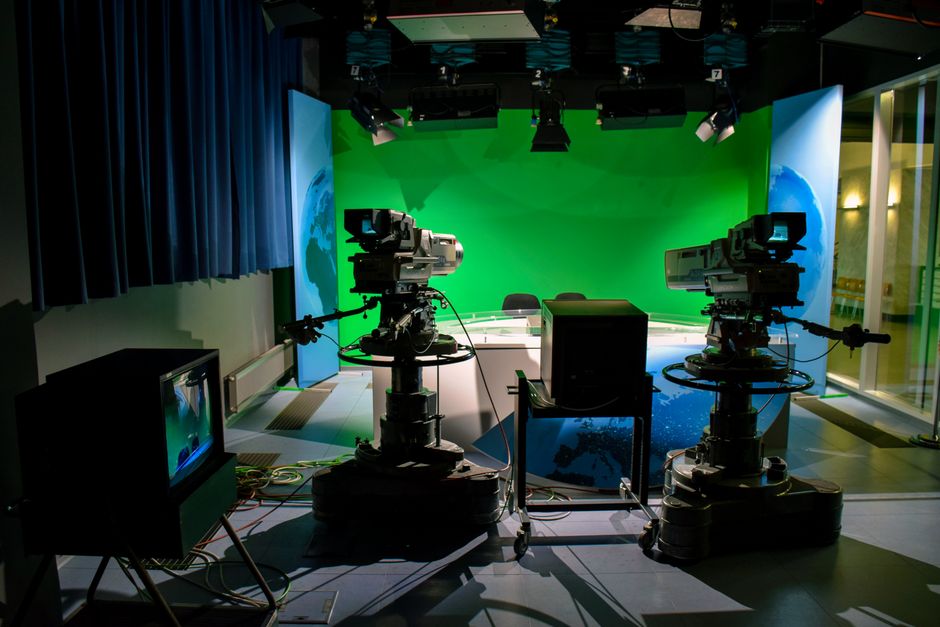
Game show production changes the tone
Some live casino formats borrow the look and pacing of televised entertainment. They may feature a presenter, a larger set, brighter graphics and a more structured sequence of reveals. The result is closer to a hosted game show than a quiet table, with the production itself becoming part of what players watch.
This fits a wider shift in entertainment habits. Viewers are used to streams and shows that combine a presenter, live visuals and audience participation. Publications such as Variety regularly cover the changing relationship between entertainment formats and audiences; casino studios draw on some of the same production language, while applying it to games with defined rules and betting windows.
There is an important difference, however: production value does not change the underlying game or make a result more predictable. Music, set design and a charismatic host can make a format more engaging to watch, but they should not be confused with improved odds or a better chance of winning. Those are separate questions, and they require game-specific information rather than a visual impression.
Live dealer on mobile: immersive, but not effortless
A live lobby available on mobile puts the studio in your hand, which is convenient when you want to browse without sitting at a desktop. Yet phones are also where the trade-offs are easiest to notice. The video may compete with betting controls for space, a notification can break concentration, and a weak connection can interrupt the stream at the wrong moment.
For a short session, it helps to choose a game whose pace and interface make sense to you. Check the rules and table information before joining, keep an eye on any betting timer, and avoid playing while doing something that makes it hard to follow the round. If a stream is unstable, it is sensible to pause rather than guess what happened.
As with any casino product, set limits that fit your circumstances and treat play as paid entertainment, not a way to make money. Live production can make a game feel present and absorbing, which is precisely why it is worth being deliberate about session length and spending.
So why does it feel more like a real casino session?
Live dealer games combine a visible human host, real-time pacing, physical table imagery and player decisions made alongside a broadcast. Those elements give each round a sense of place and sequence. Instead of watching software produce a result in isolation, you see a dealer carry out the action and share the moment with a table interface that may include other players.
The resemblance has limits. A camera cannot reproduce the noise, movement or face-to-face contact of a land-based casino, and a live stream still relies on software, controls and a stable connection. But for players who value human presence and a clear sense of occasion, that blend is enough to make the session feel more like attending a table than tapping through a purely digital game.
Ultimately, the difference is in how the game is experienced, not a promise that it is more rewarding. The lobby gives you a preview, the dealer provides a human rhythm, and the interface lets you take part. When those pieces work well, live casino feels less like an animation and more like a hosted session—one adapted for a screen, with all the convenience and limitations that come with it.
